Scaling critical port infrastructure
-2.jpg)
The challenge: Emissions from ships in city‑center ports
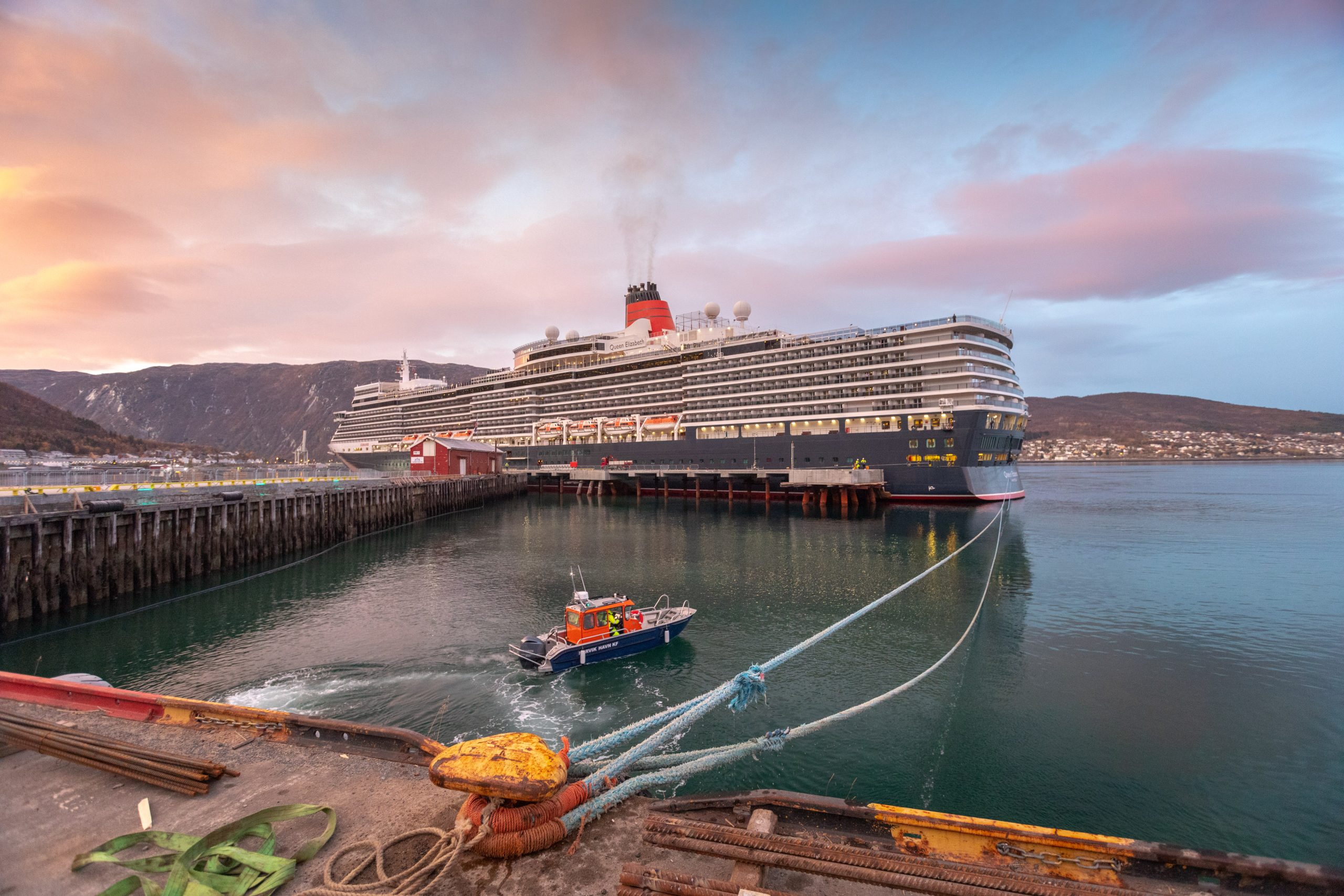
Bergen is Norway’s largest cruise port and one of Europe’s most popular destinations for cruise and offshore traffic. With high year‑round activity, ships’ energy use while berthed has historically been a significant source of local emissions of CO₂, NOx, particulate matter and noise—right in the city centre. At the same time, authorities, residents and the maritime industry have all called for concrete measures to reduce environmental impact without undermining the value creation generated by maritime activity.
The Port of Bergen therefore set ambitious targets early on: zero emissions from ships in port by 2030, and zero emissions from cruise ships as early as 2026. Achieving these goals required large‑scale, reliable shore power infrastructure—capable of serving multiple ship types in a complex and busy port environment.
The solution: A strategic partnership between the Port of Bergen and Plug
To deliver shore power across the port, the Port of Bergen entered into a partnership with the energy company Eviny, establishing the joint company Plug Bergen AS. Plug Bergen was given responsibility for developing, owning and operating the shore power facilities—while also playing an active role in financing, technology development and the commercial model.
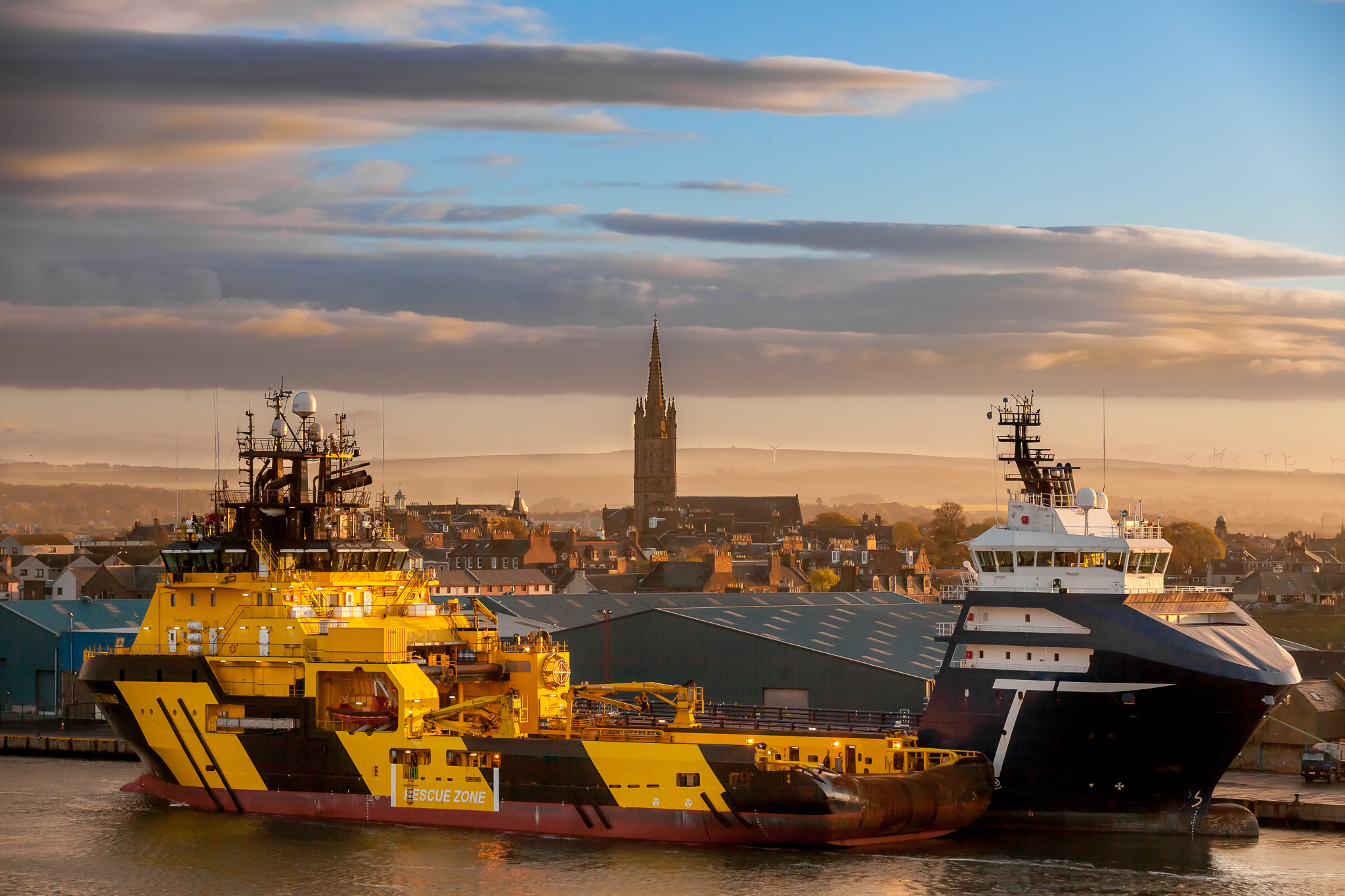
Today, Plug Bergen operates 22 shore power connection points in the Port of Bergen, serving cruise ships, offshore vessels, coastal ferries and other ship types. The installations include both low‑ and high‑voltage solutions and are built according to international standards (IEC 80005-1 and IEC 8005-3), enabling vessels to switch seamlessly from onboard generators to power from shore. In addition, Plug Bergen has developed and installed charging infrastructure for both passenger vessels and electric vehicles, supporting the electrification of maritime transport as well as onshore mobility within the city centre.
Bergen’s cruise shore power facility is now one of the largest in Europe, capable of supplying electricity to up to three large cruise ships simultaneously. This represents a major technological milestone and has positioned the port as an international showcase for green maritime solutions.
Results: Large‑scale impact driven by collaboration
The impact of shore power in the Port of Bergen is both significant and measurable. Since the start of operations, Plug Bergen has delivered more than 110 GWh of shore power to vessels, replacing onboard diesel generation with renewable electricity from shore.
Based on verified consumption data and conservative emissions factors, this corresponds to nearly 90,000 tonnes of CO₂ avoided since commissioning. In addition to substantial greenhouse‑gas reductions, the transition to shore power has resulted in major cuts in NOx emissions, particulate matter and noise—delivering tangible improvements in local air quality and the urban environment.
A key success factor behind the high utilisation rates has been the commitment of forward‑leaning shipowners and contractors, who have invested in onboard adaptations and actively chosen to connect to shore power whenever available. Their willingness to adopt new solutions early has been instrumental in turning shore power from infrastructure into real, measurable impact.
The scale, reliability and high usage of the infrastructure demonstrate that shore power in Bergen is not a pilot initiative, but a fully integrated part of modern, low‑emission port operations.
A model for other ports—nationally and internationally
The experience gained in the Port of Bergen has made Plug a sought‑after partner for other ports, both in Norway and abroad. Solutions developed in Bergen have since been implemented in additional Norwegian ports and exported internationally, including to the UK. The project has received support from Enova and is frequently highlighted as an example of how public‑private cooperation can accelerate the green transition in the maritime sector.
At the same time, the Bergen case shows that shore power is not only a climate measure, but also a tool for smarter port operations, improved urban environments and long‑term competitiveness for ports aiming to remain relevant in a zero‑emission future.
The way forward
As more vessels become shore‑power ready and environmental requirements from authorities and ports continue to tighten, utilisation is expected to increase further in the coming years. In Bergen, the ambition is clear: a full transition to zero‑emission energy use while ships are at berth.
For Plug, the experience from the Port of Bergen forms the foundation for continued growth—both nationally and internationally—and serves as proof that large‑scale shore power is technically feasible, economically viable and essential for a sustainable maritime future.
Planning for reliable port electrification?
Whether you are evaluating initial deployment or expanding an existing network, we provide structured insight and long term partnership models tailored to complex port environments.